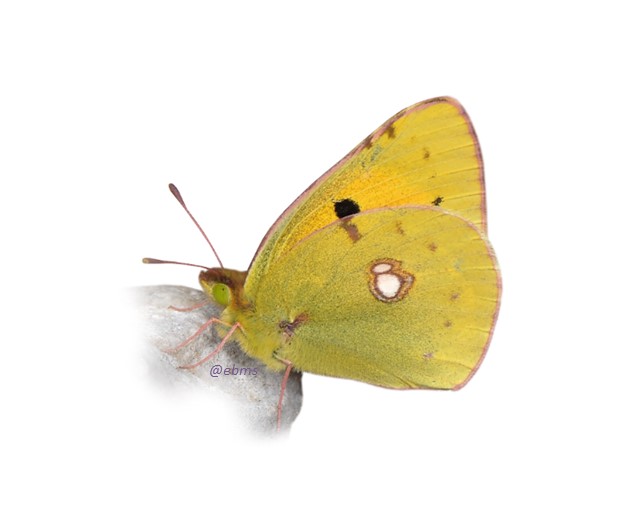
Welcome to the Denmark BMS!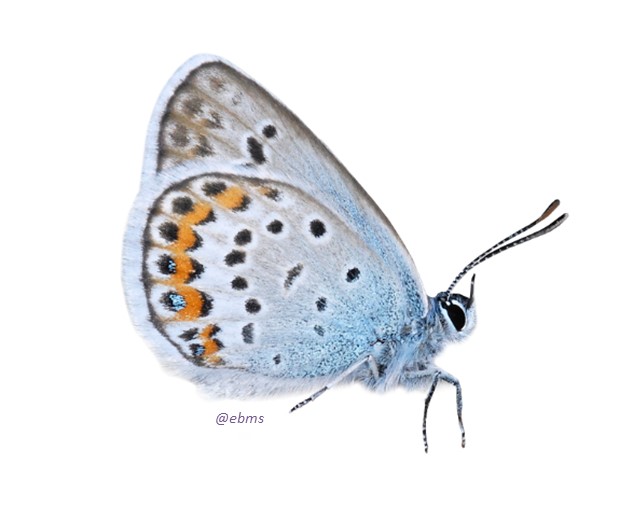
Welcome to the new national monitoring programme for daytime butterflies – colloquially Denmark's Daybutterflies.
We have just launched and are currently preparing information material about the project in Danish. However, we want to start counting Denmark's butterflies already in the summer of 2023.
Our focus right now is especially to find counters that already have extensive experience in determining the species of butterflies. If you are an experienced butterfly connoisseur and would like to participate in the project as a volunteer counter, please contact Anne Eskildsen at [email protected], who will send you an information email on how to get started with your own transect.
If you do not yet have much experience in identifying butterflies, but would like to contribute to the project, we will hold a series of workshops during the summer of 2023 where you can learn how to determine species and count butterflies, so you can start your own transect in 2024.
Note: If you have special knowledge of/live near one of Denmark's particularly rare/local butterfly species, and are interested in contributing to making a special effort to monitor it, we would love to hear from you.
You can follow the project on our Facebook group: Danmarks Dagsommerfugle (Denmark's Daybutterflies).
The project is supported by AAGE V JENSENS NATURFOND and 15. June Foundation.

Methodologies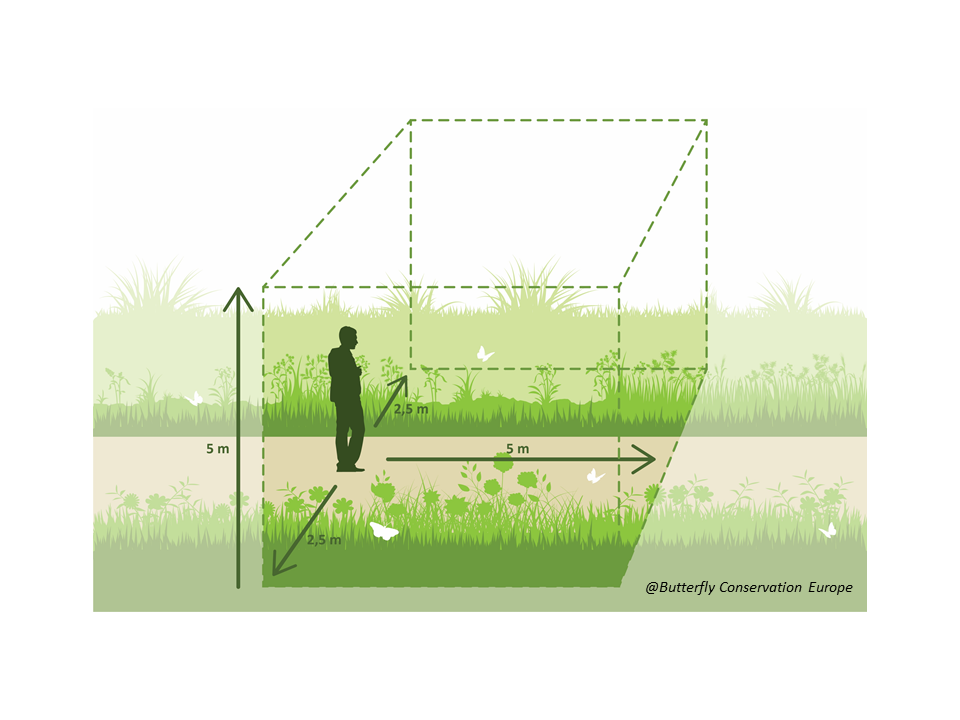
The basic methodology for a BMS is the Transect, a fixed route that is visited frequently to count butterfly species present and their abundances. Thanks to this method of repetitive counts we count to determine the butterfly trends and their current status. Help us in the protection of butterflies doing a transect close to your house or working place like thousand of volunteers in Europe. See more information on how to do a transect on the page Methods.
There are other methodologies to count butterflies, like the 15-min Counts collected through the ButterflyCount mobile application, where your GPS tracks your route while counting butterflies for 15 minutes. All the data collected on this website will be shared with the Latvia BMS.
This free resource makes it easy to keep track of what you see, while making your data openly available for scientific research, education and conservation.
To see more information on the ButterflyCount app check the page: https://butterfly-monitoring.net/ebms-app
Monitoring Material
Field Guides for butterfly Identification
The Field Guides of eBMS want to be useful to identify butterflies in the field in an easy and simple way. The butterfly species are organised by families and genus and there are symbols identifying useful characteristics to identify butterflies species easily. We created many different Field Guides for countries, regions or areas.
Go to the page Field Guides on the menu to see the different Field Guides.
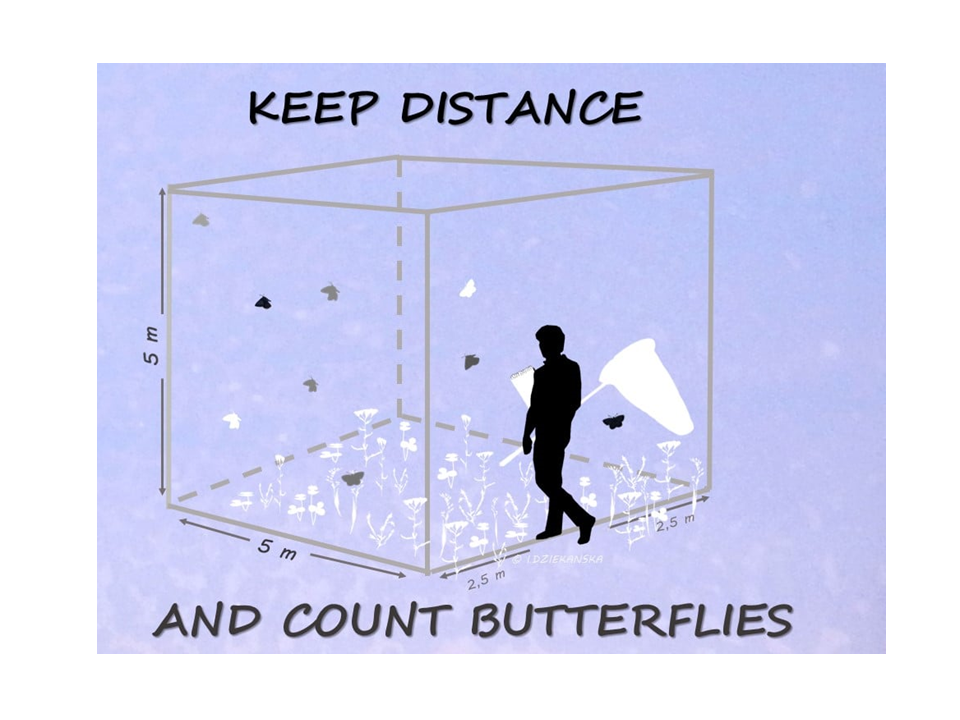
-Transect Manual
Discover the transect methodology for butterfly monitoring, the methodology used to monitoring butterflies and understand their conservation status. In this manual, you will learn the simple and basic rules to follow when performing a transect.
eBMS Transect Manual (English)
Download the Field Sheet (pdf English) for registering your data on the field
- eBMS Guidelines
Download the complete eBMS guide on this link (in English). It includes information on how to create new transects, edit your transects, add visits and see where to generate the graphs of your data. Some parts of the guide could change, the website is updating.