
Welcome to Portugal BMS
In this tab, you will find specific information about the Portuguese butterfly monitoring scheme.
About the Portuguese BMS
The Portuguese butterfly monitoring scheme, also known as Censos Borboletas de Portugal, is coordinated by Tagis - Centro de Conservação das Borboletas de Portugal (the Portuguese Centre for Butterfly Conservation). It was launched in 2019 through the Assessing Butterflies in Europe project (ABLE), and continues to grow thanks to the efforts of the coordination team:
Eva Monteiro: National Coordinator. Volunteer recruitment and support, data verification and communications.
Cândida Ramos: Coordinator. Volunteer recruitment and support, data verification and communications.
Patrícia Garcia-Pereira: Data verification.
Luís Cardoso: Volunteer recruitment and support. Data analysis and visualisation.
Paula Gonçalves: Coordinator. Volunteer recruitment and support.
The Portuguese BMS collects transect and 15-minute count data via the eBMS website and the ButterflyCount App. Visit the BMS's page on the Tagis website (linked below) to see past years' monitoring results, including interactive maps and information on particular butterfly species, or visit this website to view the data.
Click here to visit the Censos Borboletas de Portugal information hub

Getting started - Contact us
Are you new to butterfly counts? Do you need help identifying butterflies?
Please contact the coordinators before starting a transect, they can help you place your transect and give advice on butterfly monitoring.
Please contact [email protected]
If you have problems or suggestions specifically regarding the eBMS app or website, please contact eBMS by writing [email protected].
Join the community
If you’re new or would like to keep up with the monitoring scheme’s updates, consider joining other like-minded citizen scientists through Tagis' social media:
You can also become a Member of Tagis through their website (click here). They conduct annual organisation meetings. See below a picture from the 1st National Workshop of the Portuguese BMS.


Supporting materials and resources
Below are field guides and other useful resources to help you identify the butterflies present in your geographical area. If you are instead looking for materials about broader butterfly group identification or about butterfly count methodologies, please visit the materials tab.


Tagis YouTube Channel
Visit the YouTube channel to learn about butterfly monitoring methodologies, how to identify butterflies of Portugal, and more!
Learn about the transect count method (Pollard walks) by watching "Counting butterflies in Parque Ambiental de Sta Margarida"
Learn about the Order Lepidoptera, the taxonomic group of butterflies and moths, by watching "episode 7, group of insects, the butterflies and moths (Order Lepidoptera)"
Watch these videos to learn how to identify the butterflies of Portugal:

ABLE and eBMS identification guides
Common Species of Continental Portugal
This guide illustrates 60 common species of butterflies in mainland Portugal. It is a great help for those who are starting to identify butterflies and want to participate in the Butterfly Census of Portugal. This leaflet was produced by the ABLE project in partnership with Tagis - Butterfly Conservation Center of Portugal.

Madeira Field Guide
A field guide to identify 18 butterfly species occurring in Madeira, including 4 endemic species. This Guide aims to be useful for identifying butterflies in the field in an easy and simple way for citizens. This guide also includes an explanation of methodologies for monitoring butterflies (transects and 15-min Counts).
You can download the PDF directly to your device or print it directly (select the booklet option in the printer):
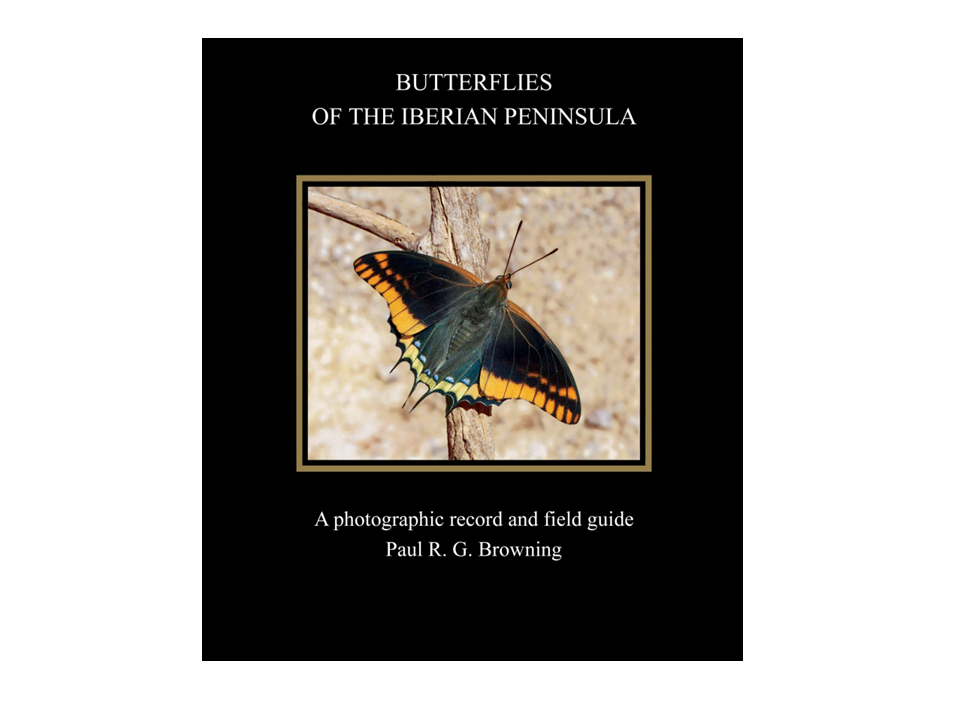
Butterflies of the Iberian Peninsula
View the English PDF of this photographic record and field guide for identifying butterflies of Portugal and Spain.
European Butterfly Group website
The European Butterfly Group website provides various downloadable butterfly identification guides for different taxonomic groups, including: Pieris (Whites), Small Fritillaries (Euphydryas) and Brimstones (Gonepteryx).