
Welcome to Spain BMS

This tab provides specific information about the Spanish and Andorran butterfly monitoring schemes.
Currently, 4 independent butterfly monitoring schemes in Spain form part of the eBMS network. While all use the standard eBMS monitoring methodologies and share their data with eBMS, they differ in the lead organisation that coordinates each and the geographical area they cover. The 4 BMSs of Spain are:
SOCEME, the Society for the Conservation and Study of Butterflies in Spain.
Catalan Butterfly Monitoring Scheme (CBMS), which also encompasses BMSAnd, monitors butterflies in Catalunya, the Balearic Islands, and Andorra.
Zerynthia, the Spanish Association for the Protection of Butterflies and Their Environment.
UBMS, the Urban Butterfly Monitoring Scheme.
Scroll down to read more about each monitoring scheme. At the bottom of this page, you will also find materials and resources for identifying and monitoring Spanish and Andorran butterflies.
__________________________________________________________________________________
SOCEME
The Society for the Conservation and Study of Butterflies in Spain (Sociedad para la Conservación y el Estudio de las Mariposas en España) has its own official website, where you can find additional information.
This monitoring scheme began collecting transect data in 2014, and currently collects 15-minute and moth trap data as well. It continues to grow and support butterfly conservation thanks to the efforts of the scheme's coordination team: Saba González Lorenzo, Cecilia Montiel, Fernando Jubete, Amparo Mora Cabello de Alba, Sandra Ruzafa Pérez, Sergio Montagud, Cristina Pérez, Cristina González Sevilleja, David Gutiérrez Garcia, Juan Ignacio de Arce Crespo, Rocío Fernández Zamudio, Juan Gallego Zamorano and Raúl León Vigara.
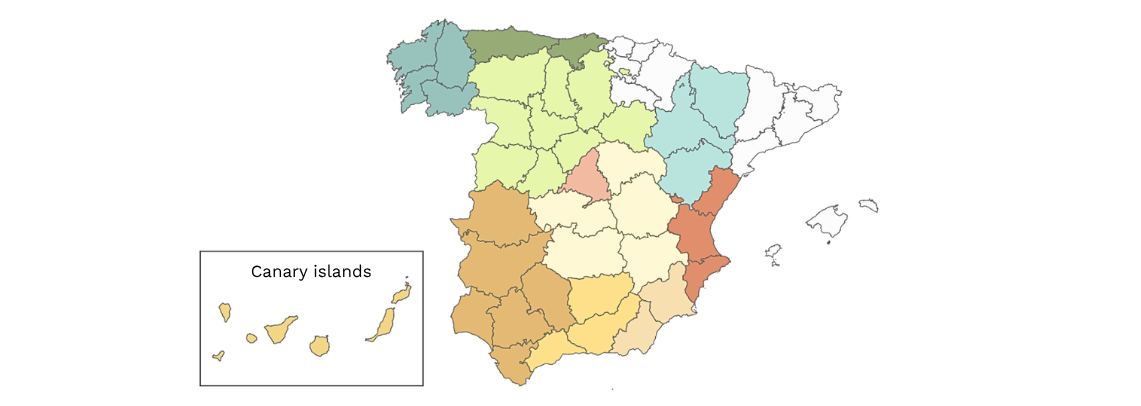
The coloured areas in the map above show the areas of Spain where SOCEME coordinates butterfly monitoring. Different colours indicate areas coordinated by different coordinators. Other BMSs (Zerynthia or CBMS) monitor the uncoloured territories. Click here to view the interactive version of this map.


Getting started - Contact SOCEME
Please contact the coordinators before starting a transect, they can help you place your transect and give advice on butterfly monitoring.
Please contact [email protected]. You can also find the coordinator for your geographic area on the interactive map and contact them directly.
If you have problems or suggestions specifically regarding the eBMS app or website, please contact eBMS by writing [email protected].
Join the community
If you’re new or would like to keep up with the monitoring scheme’s updates, consider joining other like-minded citizen scientists on SOCEME's social media:
- Seguimiento y conservación de las mariposas diurnas en España Facebook Group: Join more than 800 BMS volunteers! Here you can share ideas and get help with butterfly identification.
- SOCEME Facebook group: Follow to stay up to date with the BMS's news.
- SOCEME Instagram page
- SOCEME YouTube channel
SOCEME is supported by the following institutions, organisations and entities: Universidad Autónoma de Madrid, Universidad de Granada, Universidad Rey Juan Carlos, Universidade da Coruña, Universidad de Castilla-La Mancha, Estación Biológica de Doñana, Observatorio de Cambio Global de Sierra Nevada, Organismo Autónomo Parques Nacionales, Parque Nacional de Doñana, Parque Nacional de Sierra Nevada, Parque Nacional de Sierra de Guadarrama, Parque Nacional de Monfragüe, Parque Nacional de Cabañeros, Parque Nacional de las Tablas de Daimiel, Parque Nacional de Picos de Europa, Parque Nacional de Ordesa y Monte Perdido, Parque Nacional Marítimo-Terrestre del Archipiélago de Cabrera, Parque Nacional de Garajonay, Parque Nacional de la Caldera de Taburiente, Parque Nacional del Teide, Parque Nacional de Timanfaya, Parque Nacional Marítimo-Terrestre de las Islas Atlánticas de Galicia, Asociación Plebejus, Asociación de Naturalistas Palentinos, Sociedade Galega de Historia Natural, Sociedad Entomológica Ambiental de Castilla-La Mancha and FIRE.
__________________________________________________________________________________
CBMS - Catalan Butterfly Monitoring Scheme
CBMS has its own official website, where you can find additional information.
This monitoring scheme began collecting transect data in 1994, and continues to grow and support butterfly conservation thanks to the efforts of the scheme's coordination team: Constantí Stefanescu (Scientific coordinator and researcher), Andreu Ubach (Technical coordinator, data analysis, postdoc) and Laia Moret (Volunteer coordinator). CBMS is supported by the Generalitat de Catalunya, Diputació de Barcelona and Observatori de la Biodiversitat.
This monitoring scheme collects all transect count data via its official website.
CBMS only uses the eBMS website and the ButterflyCount App to collect 15-minute counts and moth trap observations.
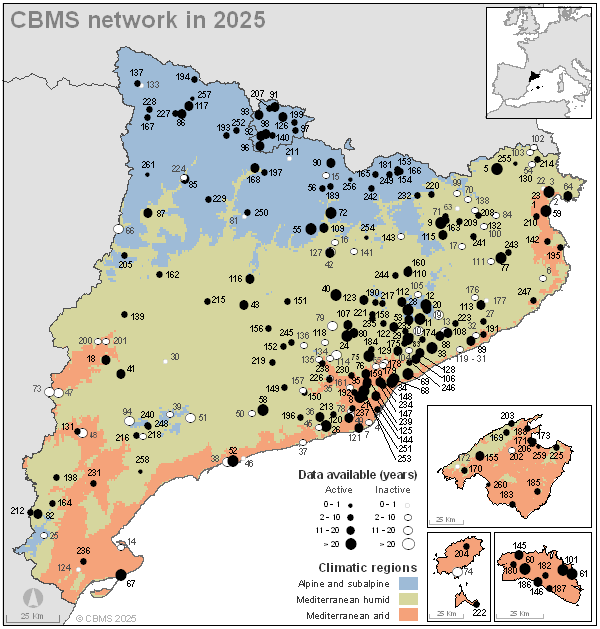
CBMS coordinates butterfly monitoring in Catalunya and the Balearic Islands in Spain, as well as across Andorra. The map to the left highlights the geographical area encompassed by this BMS and shows the position of its transects. Click here to view the interactive version of this map.
BMSAnd - Andorran Butterfly Monitoring Scheme
The Catalan Butterfly Monitoring Scheme encompasses BMSAnd, which coordinates butterfly monitoring in Andorra. Initiated in 2004, this scheme has its own coordinators and website, and publishes separate annual reports, but is considered part of CBMS because it collects its transect count data through the CBMS website.
Getting started - Contact CBMS
Please contact the coordinators before starting a transect, they can help you place your transect and give advice on butterfly monitoring.
Please contact [email protected].
If you have problems or suggestions specifically regarding the eBMS app or website, please contact eBMS by writing [email protected].
Join the community
If you’re new or would like to keep up with the monitoring scheme’s updates, consider joining other like-minded citizen scientists on CBMS's social media:

__________________________________________________________________________________
Zerynthia
Zerynthia, the Spanish Association for the Protection of Butterflies and Their Environment (Asociación Española para la Protección de las Mariposas y su Medio), has its own official website, where you can find additional information:
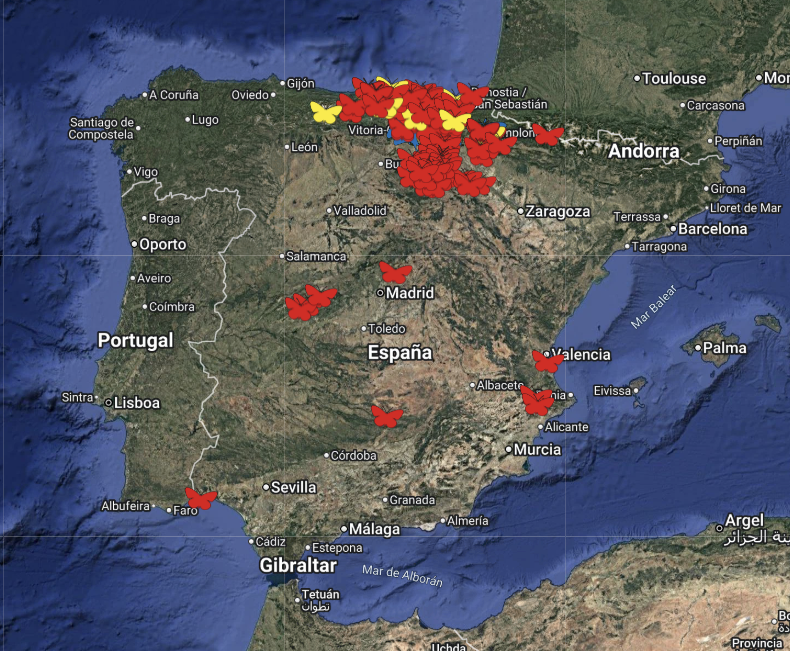
The Zerynthia association has contributed to butterfly monitoring since 2008, and currently coordinates the main BMS in País Vasco, La Rioja, and Navarra in Spain.
The map on the left highlights monitoring sites coordinated by this BMS (up to February 2023). You can view an interactive map of the monitoring sites coordinated by this association by clicking here.
Getting started - Contact Zerynthia
Please contact the coordinators before starting a transect, they can help you place your transect and give advice on butterfly monitoring.
Please contact [email protected] or fill in the form available on this website.
If you have problems or suggestions specifically regarding the eBMS app or website, please contact eBMS by writing [email protected].
Join the community
If you would like to keep up with the monitoring scheme’s updates and butterfly conservation news, consider following Zerynthia's social media:
- Zerynthia Bluesky profile
- Zerynthia Instagram profile
- Zerynthia YouTube channel
- Follow Zerynthia on Threads
__________________________________________________________________________________
UBMS - Urban Butterfly Monitoring Scheme
The Urban Butterfly Monitoring Scheme (Observatorio ciudadano de mariposas urbanas) has its own official website, where you can find additional information:
Unlike other monitoring schemes, and as its name suggests, this BMS focuses on collecting data about butterflies in urban areas. It currently collects transect count data in the urban areas of Madrid and Barcelona.
This monitoring scheme collects all transect count data via its official website.
This monitoring scheme began collecting butterfly data in 2018, thanks to financial support from the Fundación Biodiversidad. It has continued to grow and support butterfly conservation since 2019, thanks to the Ajuntament de Barcelona and the efforts of the coordination team: Yolanda Melero, Pau Guzmán and Paco Cabrero.
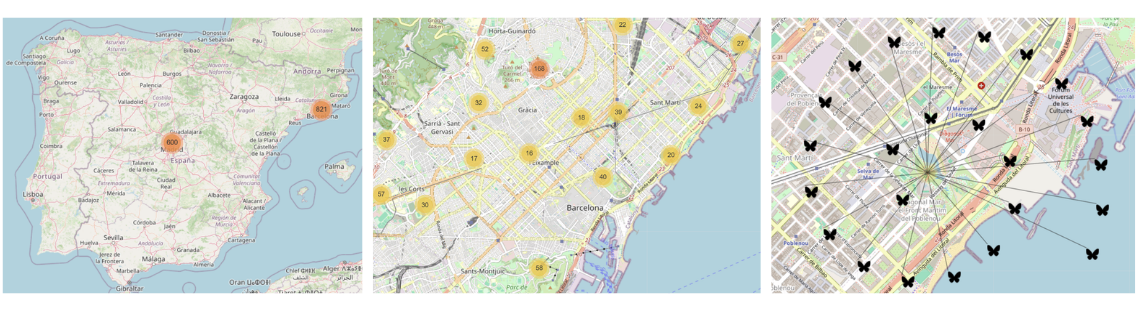
The images above are screenshots of the interactive UBMS map showing the dense data entries in the Madrid and Barcelona areas of Spain. Click here to explore the interactive map.
Getting started - Contact UBMS
Please contact the coordinators before starting a transect, they can help you place your transect and give advice on butterfly monitoring.
Please contact [email protected].
If you have problems or suggestions specifically regarding the eBMS app or website, please contact eBMS by writing [email protected].

Join the community
If you’re new or would like to keep up with the monitoring scheme’s updates, consider joining other like-minded citizen scientists by following the UBMS Bluesky profile.
__________________________________________________________________________________
Supporting materials and resources
Below are field guides and other useful resources to help you identify the butterflies present in your geographical area. If you are instead looking for materials about broader butterfly group identification or about butterfly count methodologies, please visit the materials tab.
Identification guides
eBMS and ABLE species identification guides
 Common species in Spain
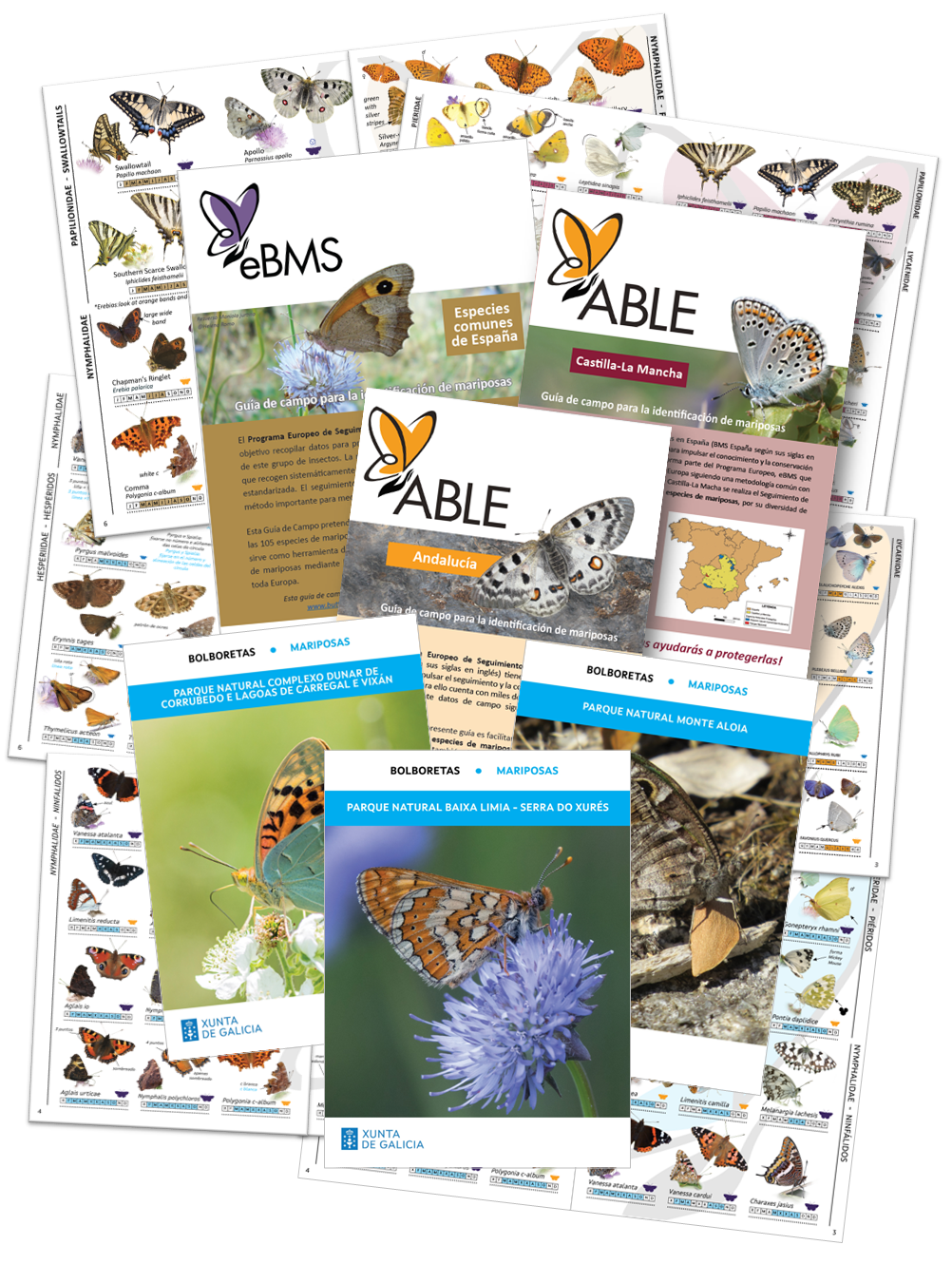
Spain is a diverse country with different climatic zones where there are at least 258 butterfly species; great diversity, and challenge to monitor. For that reason, a new Field Guide of the Spanish Common Species has been created to facilitate the identification of the 105 most common species in the country, including Canary species. Like the rest of the Field Guides, you can find a nice and logical order of the species, pointing out and highlighting important characteristics to identify properly the species.
Diurnal moths Field Guide of Spain in Spanish
Andalucía
This Field Guide includes 93 of the most common butterfly species in Andalusia in just 12 pages. This Guide aims to be useful by reducing the number of butterflies in an area as rich and diverse as Andalusia, a Mediterranean area with an African influence and peculiar endemisms. You can download the guide in PDF in various formats:
- Andalusia Guide (Spanish): to print directly, Andalusia guide by pages (Spanish): pdf with individualized pages to download to your device or print
- Andalusia Guide (English): to print directly, four sheets to be printed on both sides, the pages are ordered for printing.
Castilla-La Mancha
Castilla-La Mancha is a region of the peninsular center of Spain with a great diversity of ecosystems. It has a large number of butterfly species, with a total of 157 species in the whole region, being the 67.4% of the peninsular total. You can see the Complete list of butterfly species from Castilla-La Mancha (CLM) in this pdf. You can download the CLM Field Guide guide in pdf format with the 72 most common butterfly species in CLM in 8 pages.
- CLM Guide (Spanish): two sheets to be printed on both sides,CLM Guide by pages (Spanish): pdf of individualized pages to download to your device or print
- CLM Guide by pages (English): pdf English version of individualized pages to download to your device or print
Galicia
You can now download the butterfly identification booklets that we have designed for the BMS implementation project in the Natural Parks of Galicia on its website: https://patrimonionatural.xunta.gal/es
- Parque Natural do Monte Aloia
- Parque Natural Baixa Limia-Serra do Xurés
- Parque Natural Complexo dunar de Corrubedo e lagoas de Carregal e Vixán
Acknowledgments to Paolo Mazzei, Marco Bonifacino, Raniero Panfili y Daniel Morel (www.leps.it); Javier Olivares, Jose Miguel Barea, Félix Loarte García, Juan Pablo Cancela, Mariano Vindel, José Rodrigo Dapena, Rafael Pérez Fernández, Dan Dahanar, Sergio Teixeira, Izabella Dziekanska, Christos Zoumides, Bert van Rijsewijk, Martin Wiemers, Lars Nilsson, Albert Vliegenthart y Chris van Swaay for providing images for the creation of the Field Guides in the ABLE and SPRING project. Also, to the designer who created the different butterfly shapes from the photos, Eveline van der Jagt and editing by Cristina G. Sevilleja.
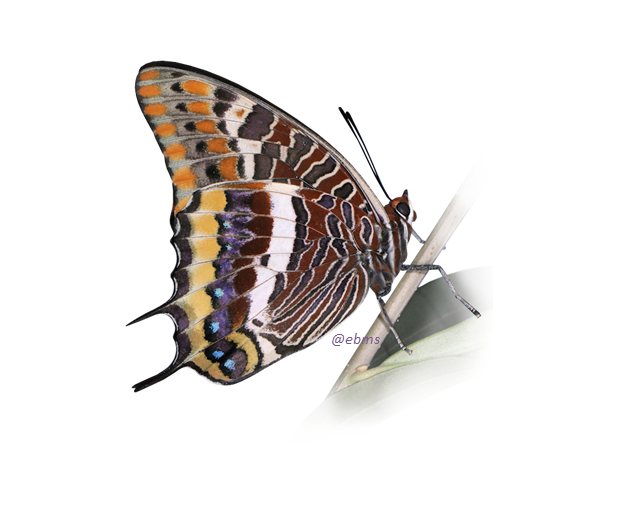
Butterfly List (Papilionoideae) by regions
The group of BMS coordinators has generated complete lists of the butterfly species present in the different regions of Spain. Below you will find the species organized by families and in alphabetical order. You can download the lists below (in Spanish):
- Butterflies Andalucía region
- Butterflies Castilla-La Mancha region
- Butterflies Castilla y León Region
- Butterflies Extremadura region (by provinces)
- Butterflies Galicia region (by provinces)
- Butterflies of the Canary Islands
**updated lists on February 2021

Butterfly Identification Guide from the European Butterfly Group
- You can find on the website of the European Butterfly Group, many different butterfly identification guides per group of species: Pieris (Whites), Small Fritillaries (Euphydryas) or Brimstones (Gonepteryx)
- Also, you can find another interesting resource on this website: Butterflies of the Iberian Peninsula by Paul R. G. Browning a revised version contains a lot of information covering Portugal and Spain butterflies. You can download the pdf here
Reports
Lopinga Magazine
The annual magazine is dedicated to the butterflies of the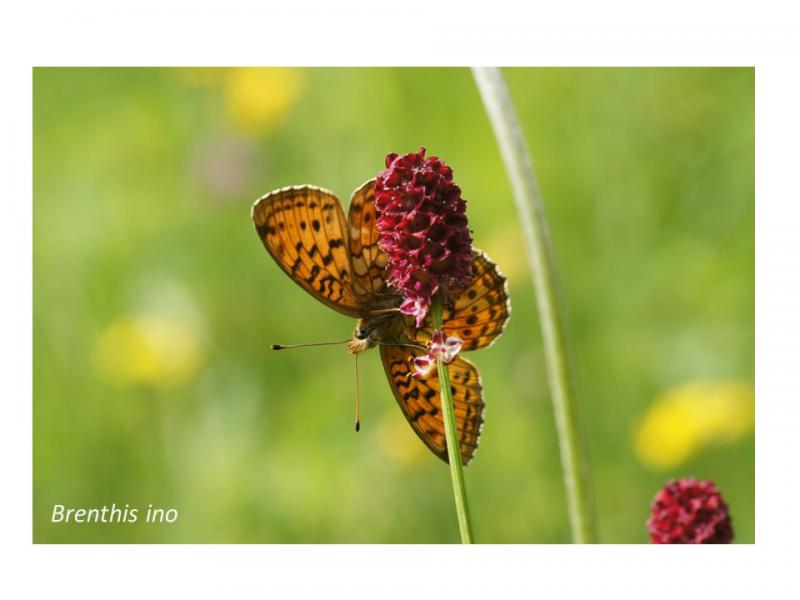 Picos de Europa National Park. Lopinga is the work of the butterfly monitoring team in this protected area, which since 2013 count butterflies recording already more than 130 butterfly species. The content of the magazine shows the effort and work done by park rangers, guides and technicians. Here you can download the latest issues published:
European Butterfly Group's Guide to Spanish Butterflies
A detailed downloadable PDF by the European Butterfly Group on Spain's butterflies with an extensive bibliography, details of where to go and what to see. It includes some information on Spanish butterfly conservation efforts. Please note that the included contact information may be outdated.
 Manuals
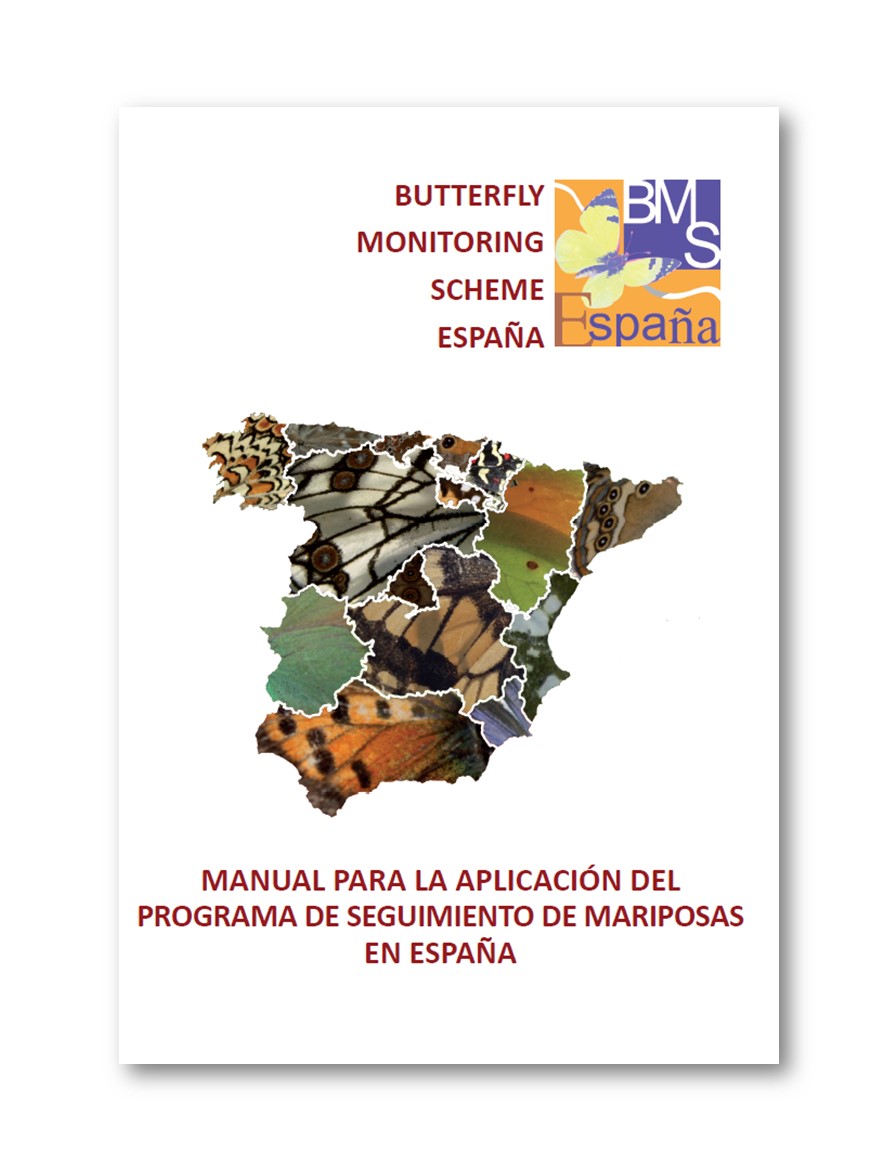
Spain BMS Manual
Manual (2015) for the application of the Butterfly Monitoring Scheme in Spain. In this manual, you will find all the necessary information to start your butterfly monitoring with transects, the different coordinators per region, and information about the BMS.